employee mental health issues: 5 tips for managers.
1. ask twice
How often do you believe the response of ‘I’m OK’ when you ask someone how they’re feeling?
So often we are reluctant to answer this question honestly. Perhaps through fear of sharing problems or making someone feel uncomfortable. So next time you ask someone how they are, or how they’re feeling, follow up with a second question.
And try rephrasing your questions to encourage the respondent to feel they can talk openly.
You could consider using some of the suggestions below for inspiration.
- How are you feeling today?
- How are you holding up?
- What’s been on your mind recently?
- Do you need support with anything at the moment?
- What did you get up to over the weekend?
- Is there anything worrying you?
- Did you resolve that issue you were telling me about?
- What’s new with you?
2. buddying
Implementing a buddying system is an easy, effective way to remind your colleagues that they have someone who they can talk to, and who can help. You can either assign people ‘buddies’ randomly, or if you’ve identified someone who may benefit from a little further support, you could help by assigning them a workplace ‘buddy’. This should be someone approachable and happy to help out.

How to be a buddy:
- Be available to talk or help out as required. It’s important to be approachable.
- Check in with your ‘buddy’. Ask them how they are, and take an interest in what’s going on with them.
- Learn one new thing about your ‘buddy’. This will help you to get to know each other a bit better.
- Speak to them in person, and also in writing. They may feel more comfortable with one or the other.
- Follow up. It’s important for the support to be sustained and regular, so follow up with your buddy regularly.
- Know how to signpost. You may not know the answer to everything, and you may not be trained to deal with all issues. But there is support available, so don’t be afraid to signpost someone to the Smart Clinic support services, employee assistance programme or other reputable sources.
3. know what’s available, and use it
Your organisation may have private access to some paid for health support services. The most common types of service are an employee assistance programme, wellbeing package, cash plan or private medical insurance scheme.
It’s really important that you’re familiar with the services available, and have spoken with your provider to understand exactly how to use the service and what’s included. That way you will feel really confident discussing and recommending the various different options to your employee when they discuss their mental health difficulties with you. It also means you can promote them around your workplace with posters, emails, cards and leaflets.
But if you don’t have access to anything like this through work, there are still ways to help. Familiarise yourself with any local or national resources that could be available to your employee. There are some amazing self-help videos published by charities like the Samaritans, and there may also be some local support groups or even paid services that could be self-funded. With just an hours’ research you could pull together a comprehensive list of free and self-funded resources that will support your employees.
4. stay in touch
When a member of staff opens up about their mental health difficulties, they have entrusted you with some very personal information. Whilst you are not necessarily responsible for them, you can certainly choose to help them by regularly staying in touch.
For more advice on how to initiate the appropriate conversations with the employee, see the ‘ask twice’ section above.
If a member of staff is absent due to mental health issues or stress, there is a common misconception that you should leave the employee alone completely so that they have ‘some space’. In reality exactly the opposite is true.
Failing to stay in touch with an employee who is off work due to mental health concerns may feel isolated, abandoned and anxious if you do not stay in touch with them. However regular communication can help them to feel valued, involved and motivated. Just a simple text message, or five minute call a couple of times a week will do wonders.
5. involve occupational health
If you are a line manager, HR advisor or even a business owner, you will be an expert in your field, but you are probably not a medical expert. So you can’t be expected to analyse and manage mental health issues yourself.
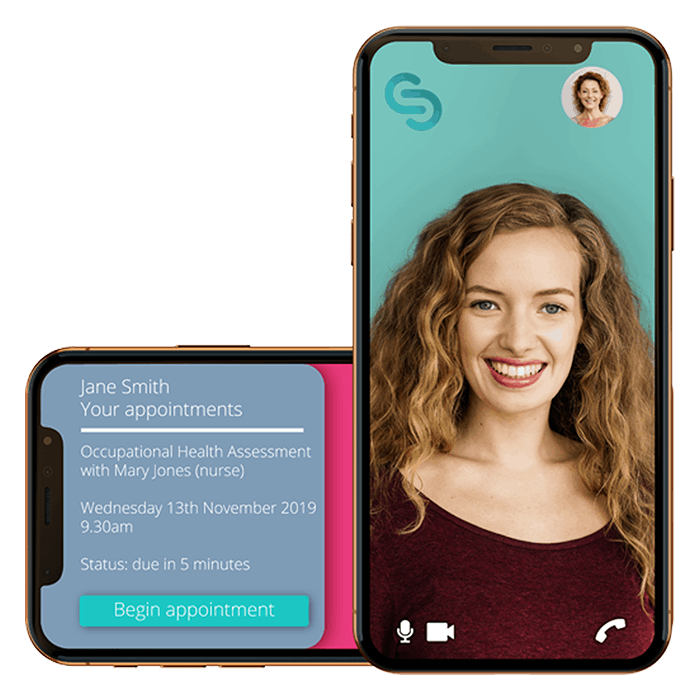
Instead it’s vital to engage the support of an occupational health specialist who can speak with your employee for you, and provide high quality advice to both the employee and the employer. A good occupational health provider will give the management team advice on what they can best do to support the employee, as well as helping the individual to obtain any additional support that they need directly. This could be services such as counselling, anxiety management, CBT or even medical intervention from a GP or specialist.
If you’d like quotes for our occupational health services, please click here.
transparent pricing.
Our pricing model is totally transparent and easy to understand. We offer our health and wellbeing at the most competitive rate possible, so you know you’re getting the most value out of our services.
explore...